

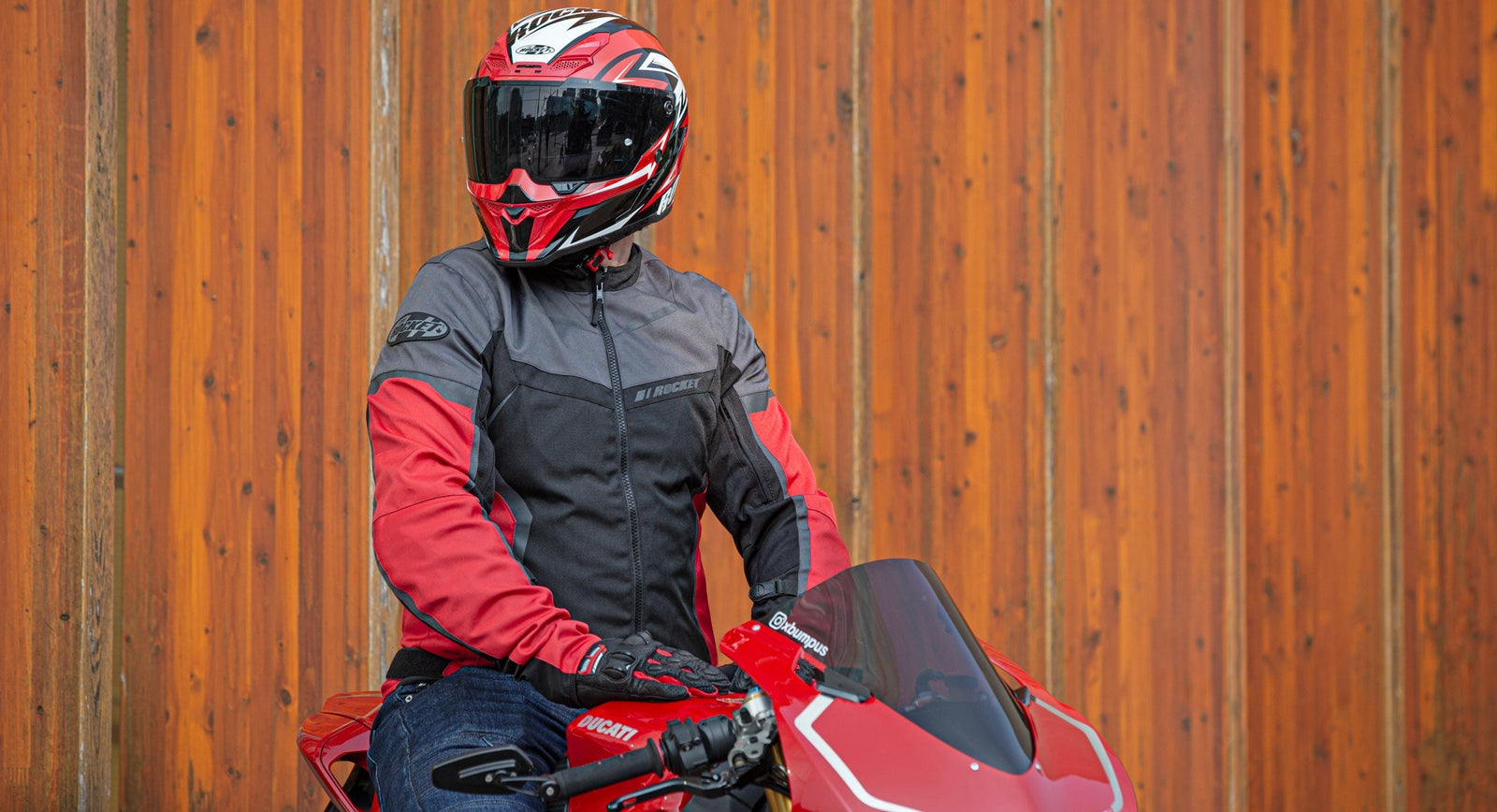

As part of British Columbia’s proposed updates to the motorcycle licensing system, one idea on the table has riders talking: limiting new riders to motorcycles 700cc or smaller during the learner and novice stages. The goal is safety — but the number itself raises a fair question. Is 700cc actually beginner-friendly, or is that line being drawn too high?

On paper, a displacement cap makes sense. Engine size is an easy, enforceable metric, and limiting access to very large, powerful bikes early on could reduce the chances of new riders getting in over their heads. Nobody is arguing that a brand-new rider should be learning on a 1200cc superbike. The intent here is clearly to slow things down, encourage skill-building, and reduce serious crashes among inexperienced riders.
But here’s where it gets interesting:700cc doesn’t automatically mean “beginner bike.”
In today’s market, a 700cc motorcycle can range from mellow and approachable to genuinely aggressive. A modern 700–750cc parallel twin can make north of 70 horsepower, deliver instant torque, and weigh as much as — or more than — much larger bikes from a decade ago. For a brand-new rider, that can still be a lot to manage. Throttle sensitivity, braking weight, and overall mass don’t magically become forgiving just because the engine is under a certain number.

This is why some riders are questioning whether 400–500cc might be a more realistic ceiling for beginners. Bikes in that range tend to be lighter, more forgiving, cheaper to insure, and easier to recover from mistakes. They encourage learning momentum control, cornering, braking, and smooth inputs — skills that matter far more than outright power early on. A 400cc bike ridden well will always be faster, safer, and more confidence-inspiring than a bigger bike ridden poorly.
There’s also the cost angle. New riders are already facing higher barriers to entry: rising bike prices, insurance costs, training, and now potential mandatory protective gear. Many 400–500cc bikes are more affordable on the used market, making them a realistic first step for people who want to try motorcycling without committing to a large financial leap. If the goal is to grow the riding community safely, accessibility matters.

That said, a 700cc limit isn’t without merit. It gives riders more flexibility in bike choice, especially for those who are physically larger, commute on highways, or plan to grow into their bike rather than replace it quickly. It also avoids pigeonholing new riders into machines they might outgrow in a single season. From that perspective, 700cc could be seen as a compromise between safety and practicality.
So what’s the right answer?
Maybe it’s not just about engine size at all. Displacement doesn’t account for power-to-weight ratio, throttle response, riding modes, or electronics — all factors that hugely affect how beginner-friendly a bike actually is. A soft-tuned 650 with rider aids can be far less intimidating than a lightweight, high-strung 600cc sportbike. Drawing the line at 700cc is simple, but it’s also blunt.

What BC is really grappling with is this: how do you protect new riders without killing choice, affordability, or enthusiasm? A 700cc cap may help, but it may also allow bikes that are still too much, too soon. A lower limit — or a more nuanced approach — might better match how people actually learn to ride.
Either way, this proposal is guaranteed to spark debate — and that’s a good thing. Licensing rules shape not just safety outcomes, but the future of motorcycling itself.
So let’s hear it:
Is 700cc a fair limit for new riders, or should BC be looking closer to 400–500cc instead?
#JoeRocket




Leave a comment (all fields required)